



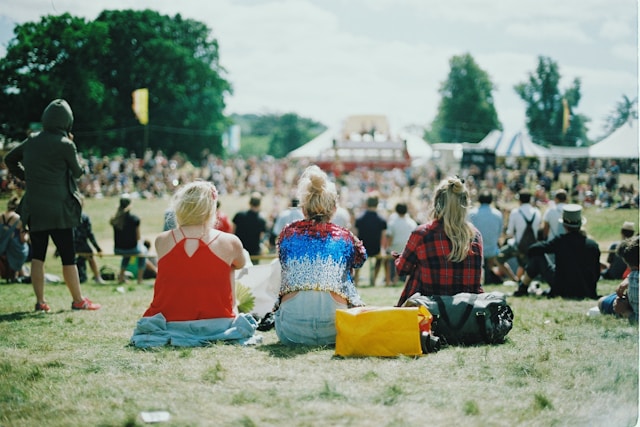
Florida’s communities are vibrant with events and activities. Here’s what’s happening in neighborhoods across the state this month.
Wynwood Walls Festival: Street art festival celebrating Wynwood’s art scene Viernes Culturales: Monthly art walk in Wynwood with galleries, music, food Art Basel: International art fair attracting collectors and artists worldwide Miami Book Fair: Annual festival celebrating literature and authors
Fort Lauderdale Beach Festival: Beach celebration with music, food, activities Las Olas Art Fair: Annual art fair featuring local and national artists Broward County Fair: Traditional fair with rides, food, entertainment Riverwalk Festival: Celebration along Fort Lauderdale’s scenic riverwalk
Tampa Bay Music Festival: Celebrating diverse music genres and artists Gasparilla Festival: Historic pirate festival with parade and celebrations Florida State Fair: Annual fair with rides, food, entertainment, livestock Ybor City Street Festival: Street festival in historic Ybor City neighborhood
Orlando Fringe Festival: Theater festival featuring diverse performances Epcot Festival of the Arts: Disney festival celebrating visual and performing arts Orlando Science Center Events: Educational and entertainment events Downtown Orlando Street Festival: Monthly street festival with music, food, art
Key West Fest: Celebration of Key West culture and community Conch Republic Independence Celebration: Quirky festival celebrating Key West independence Hemingway Days Festival: Celebrating author Ernest Hemingway’s connection to Key West Fantasy Fest: Annual costume festival and celebration
Jacksonville Jazz Festival: Annual festival celebrating jazz music River & Blues Festival: Music festival along St. Johns River Riverside Festival: Community celebration in historic Riverside neighborhood Jacksonville Beach Pier Festival: Beach celebration with music, food, activities
Farmers Markets: Weekly markets in neighborhoods across Florida Street Festivals: Monthly street festivals in many neighborhoods Community Cleanups: Residents organizing neighborhood cleanups Neighborhood Associations: Meetings and events organized by neighborhood groups
Online Concerts: Performances streamed online Virtual Tours: Virtual tours of museums, historic sites, neighborhoods Webinars: Educational events on community topics Online Classes: Arts, fitness, and educational classes
Children’s Festivals: Events designed for families with children Movie Nights: Outdoor movie screenings in parks Farmers Markets: Family-friendly shopping and entertainment Park Programs: Recreation department programs for families
Heritage Festivals: Celebrations of cultural communities Food Festivals: Celebrating diverse cuisines and food traditions Music Festivals: Celebrating diverse music genres Art Exhibitions: Showcasing local and national artists
Local Websites: City and county websites list events Community Calendars: Neighborhood websites and social media Event Listings: Websites like Eventbrite and Meetup Local Media: Newspapers and local news websites Social Media: Facebook, Instagram, and community groups
Attend: Show up and participate Volunteer: Help organize and run events Donate: Support events financially Promote: Tell friends and family about events Participate: Engage with community and make connections
Connection: Events bring community members together Celebration: Events celebrate community culture and identity Economic Activity: Events support local businesses Engagement: Events encourage civic participation Vitality: Events make neighborhoods vibrant and alive
Florida’s communities are rich with events and activities. Participating in community events strengthens connections, celebrates culture, and builds vibrant neighborhoods.
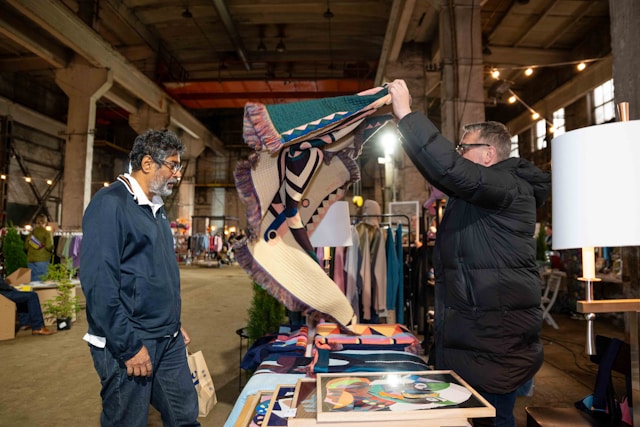
Florida’s small business community is the backbone of the state’s economy. Meet some of the entrepreneurs building businesses and strengthening their communities.
Number of Businesses: 2+ million small businesses in Florida Employment: 50%+ of private sector jobs Economic Impact: $1+ trillion in annual economic activity Growth: Small business formation accelerating
Business: Family-owned Cuban restaurant in Miami Founded: 2010 by immigrant family Impact: 30+ employees; community gathering place Success: Strong customer loyalty; expansion to second location Challenge: Rising rents and labor costs Vision: Expand to third location; preserve family recipes and culture
Business: Software development company in Tampa Founded: 2018 by recent college graduate Impact: 15 employees; serving 100+ clients Success: Strong growth; attracted venture capital investment Challenge: Competing for talent with larger tech companies Vision: Expand team; develop new products; build sustainable business
Business: Independent bookstore in Jacksonville Founded: 2015 by book lover Impact: 8 employees; community cultural center Success: Strong customer base; hosts author events and book clubs Challenge: Competition from online retailers Vision: Expand inventory; host more community events; build online presence
Business: Cleaning service in Orlando Founded: 2012 by entrepreneur Impact: 20+ employees; serving residential and commercial clients Success: Strong reputation; steady growth Challenge: Workforce retention and training Vision: Expand service area; invest in employee development
Access to Capital: Difficulty securing loans and funding
Labor Costs: Rising wages and difficulty finding workers
Rent & Real Estate: Rising commercial rents
Competition: Competition from larger businesses and online retailers
Regulations: Navigating complex regulations and compliance
Technology: Keeping up with technology changes
Community Support: Strong local customer base
Quality Products/Services: Reputation for quality
Customer Service: Strong customer relationships
Adaptability: Ability to adapt to changing market
Hard Work: Long hours and dedication
Networking: Building relationships with other businesses and organizations
Shop Local: Buy from local businesses
Recommend: Tell friends and family about local businesses
Engage: Participate in community events and support local initiatives
Advocate: Support policies favorable to small business
Employ: Consider local businesses for services and products
SBA (Small Business Administration): Loans, counseling, training
SCORE: Free mentoring from experienced business people
Local Chambers of Commerce: Networking and advocacy
Small Business Development Centers: Training and counseling
Community Development Organizations: Support for minority and women-owned businesses
E-commerce: Small businesses increasingly selling online
Remote Work: Small businesses adapting to remote work trends
Sustainability: Growing focus on sustainable business practices
Community: Small businesses strengthening communities and local economies
Jobs: Small businesses create jobs and economic opportunity
Community: Small businesses strengthen communities
Innovation: Small businesses drive innovation
Diversity: Small businesses reflect community diversity
Resilience: Small businesses build resilient local economies
Florida’s small business community is vital to the state’s economic health and community vitality. Supporting local businesses strengthens communities and builds a more resilient economy.
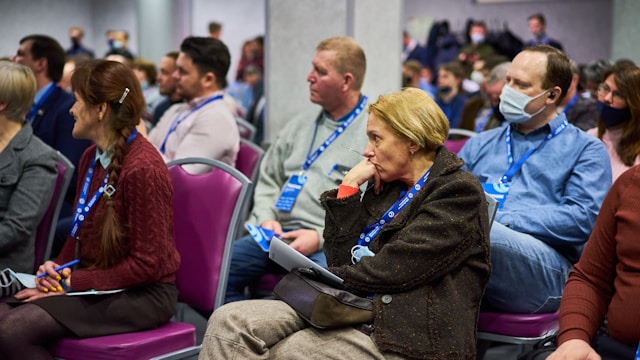
City commissions make decisions that directly affect your neighborhood—from zoning to budgets to public services. Here’s how to understand and engage with local government.
Zoning & Land Use: Decisions about what can be built and where
Budgets: How tax dollars are spent on services and infrastructure
Public Services: Police, fire, parks, utilities, and other services
Development: Approval of new projects and developments
Regulations: Local ordinances and rules affecting residents and businesses
Commissioners: Elected officials representing districts or at-large
Meetings: Regular public meetings where decisions are made
Public Comment: Residents can speak during meetings
Voting: Commissioners vote on proposals and ordinances
Implementation: City staff implements approved policies
Zoning Changes: Process for changing what can be built in an area
Development Approval: Process for approving new projects
Budget Adoption: Annual process for setting city spending
Ordinance Changes: Process for creating or modifying local rules
Attend Meetings: City commission meetings are open to the public; agendas available online
Public Comment: Sign up to speak during public comment period
Contact Commissioners: Email, call, or meet with your commissioners
Organize: Join neighborhood associations and advocacy groups
Vote: Vote for commissioners who represent your values
Zoning: Residents often oppose unwanted development or land use changes
Traffic & Parking: Residents concerned about traffic, parking, and street safety
Noise & Nuisance: Complaints about noise, trash, and other nuisances
Public Safety: Residents want adequate police and fire services
Parks & Recreation: Residents want well-maintained parks and recreational facilities
Issue: Proposed rezoning to allow high-rise development in residential area
Community Response: Residents organized, attended meetings, submitted comments
Commission Decision: Commission approved rezoning despite community opposition
Outcome: Development proceeded; neighborhood character changed
Lesson: Community engagement matters, but organized opposition doesn’t always prevail
Issue: Proposed closure of neighborhood park
Community Response: Residents organized petition, attended meetings, media coverage
Commission Decision: Commission voted to keep park open
Outcome: Park remained open; community preserved
Lesson: Organized community action can influence commission decisions
Revenue: Property taxes, sales taxes, fees, grants
Spending: Police, fire, public works, parks, administration
Priorities: Budget reflects commission priorities
Impact: Budget decisions affect service quality and neighborhood conditions
Know Your Commissioners: Understand their positions and voting records
Organize: Join or form neighborhood associations
Document Issues: Keep records of problems (photos, dates, details)
Communicate: Contact commissioners with specific concerns
Attend Meetings: Show up to support or oppose proposals
Build Coalitions: Partner with other neighborhoods and organizations
Use Media: Contact local media about neighborhood issues
Commissioners Respond to Constituents: Elected officials pay attention to organized constituents
Collective Voice: Organized communities have more influence than individuals
Transparency: Public meetings and records provide accountability
Democratic Process: Community engagement is how democracy works locally
Local government decisions shape your neighborhood. By understanding how commissions work and engaging in the process, you can influence decisions affecting your community.
Wynwood’s transformation from a declining neighborhood to a vibrant cultural hub is a story of community resilience, grassroots organizing, and collective vision. Here’s how residents and local leaders reshaped their neighborhood.
1980s-1990s: Wynwood was economically distressed, with high crime, vacant properties, and limited investment. Many residents felt abandoned by city government and private developers.
Community Response: Local residents and organizations began organizing, demanding investment and attention to neighborhood needs.
Murals & Street Art: Artists began creating murals and street art, transforming blank walls into vibrant expressions of community identity.
Art Basel Connection: Miami’s Art Basel attracted international attention; Wynwood’s art scene grew alongside the event.
Cultural Events: Community-organized events, galleries, and cultural spaces attracted visitors and investment.
Business Growth: Local entrepreneurs opened restaurants, galleries, shops, and studios; many were community members.
Housing Restoration: Community groups worked to restore historic buildings; residents invested in property improvements.
Local Ownership: Community members prioritized local ownership and control of businesses and properties.
Gentrification: Rising property values and rents displaced long-time residents and businesses.
Displacement: Affordable housing became scarce; many original residents moved away.
Cultural Appropriation: Some felt outside developers and businesses were exploiting Wynwood’s culture without community benefit.
Inequality: Wealth generated by development didn’t always benefit original residents.
Affordable Housing Initiatives: Community organizations advocated for affordable housing preservation.
Community Land Trust: Local land trust acquired properties to preserve affordability.
Local Business Support: Community members prioritized supporting local businesses.
Cultural Preservation: Efforts to preserve Wynwood’s cultural identity amid rapid change.
Economic Vitality: Wynwood is now one of Miami’s most economically vibrant neighborhoods.
Cultural Hub: Art galleries, restaurants, and cultural events draw visitors from around the world.
Mixed Community: Mix of long-time residents, new arrivals, artists, entrepreneurs, and visitors.
Ongoing Challenges: Gentrification continues; affordability remains a concern; cultural preservation efforts ongoing.
Community Organizing: Grassroots organizing can drive neighborhood change.
Cultural Assets: Communities can leverage cultural assets for economic development.
Balance: Balancing development with community preservation is challenging but essential.
Equity: Development benefits should be shared equitably with original residents.
Wynwood’s future depends on continuing to balance economic development with community preservation, ensuring that growth benefits all residents and preserves the neighborhood’s unique cultural identity.